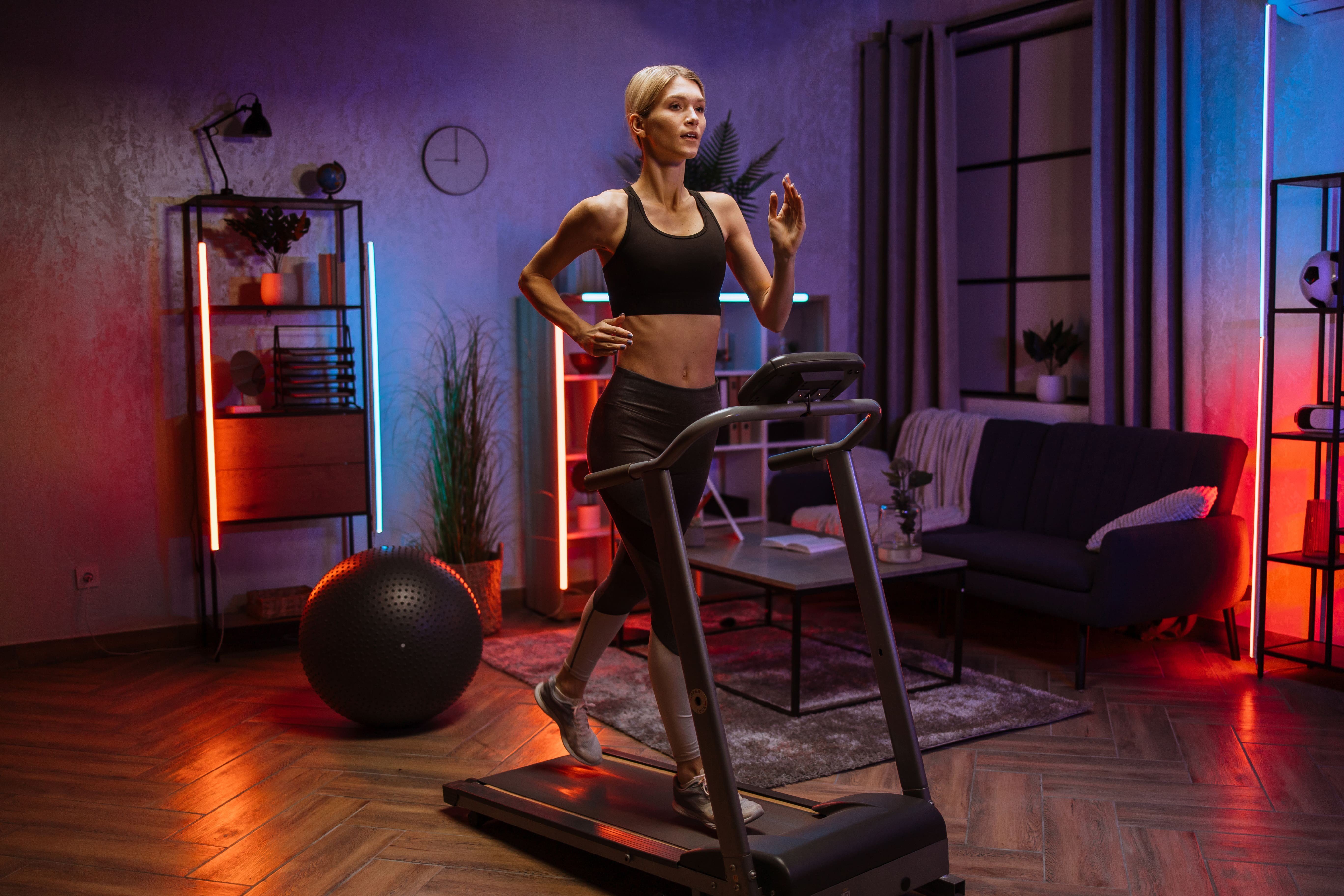
Understanding Treadmills: A Comprehensive Guide
Treadmills are among the most popular fitness equipment in health clubs and home exercise areas alike. With a range of designs readily available that accommodate various physical fitness levels and preferences, treadmills offer a versatile and reliable way to attain fitness. This post explores the mechanics, advantages, types, and elements to think about while selecting a treadmill.
Tabulation
- What is a Treadmill?
- Benefits of Treadmill Workouts
- Kinds of Treadmills
- Handbook Treadmills
- Motorized Treadmills
- Folding Treadmills
- Key Features to Consider
- Safety Tips for Treadmill Use
- Regularly Asked Questions (FAQs)
- Conclusion
What is a Treadmill?
A treadmill is a workout machine that enables individuals to stroll, jog, or run in location while preserving a consistent speed. The device consists of a moving belt that enables a smooth running or walking experience. Treadmills are equipped with a number of features including speed controls, slope settings, and exercise tracking abilities, which improve user experience and assist in numerous workout routines.
Benefits of Treadmill Workouts
Treadmills are highly regarded for several factors:
- Cardiovascular Health: Regular use of treadmills can assist improve heart health by boosting cardiovascular endurance.
- Weight Loss: Treadmill workouts are efficient for burning calories, assisting in weight reduction and maintaining a healthy body weight.
- Convenience: With the alternative to stroll or run inside no matter climate condition, treadmills supply a level of benefit that outside running might not use.
- Controlled Environment: Users can manage speed, slope, and period, permitting tailored workouts that match their physical fitness levels.
- Keeping track of Progress: Most treadmills come equipped with displays to track distance, speed, time, and calories burned, helping users to stay motivated and set fitness objectives.
Types of Treadmills
Manual Treadmills
Manual treadmills require the user to power the belt by walking or running, which can provide a more difficult workout. They are generally more compact and less costly than motorized models, making them an appealing choice for budget-conscious people.
Motorized Treadmills
Motorized treadmills have an electric motor that moves the belt, allowing for a more constant rate. In Home Treadmill feature innovative features such as predetermined exercise programs, adjustable speed, and incline settings. They prevail in gyms and stay popular for home usage due to their adaptability.
Folding Treadmills
Folding treadmills are developed with a hinge that enables the running surface to be folded up when not in usage. This function makes them perfect for individuals with minimal space in their homes, supplying a solution to maintain a workout regimen without jeopardizing living area.
| Kind of Treadmill | Secret Features | Best For |
|---|---|---|
| Handbook Treadmill | No motor, powered by the user | Cost-efficient, compact |
| Motorized Treadmill | Electric motor, adjustable speed | Range in workouts |
| Folding Treadmill | Hinge for compact storage | Restricted space use |
Key Features to Consider
When picking a treadmill, there are numerous features to keep in mind:
- Motor Power: Generally determined in horsepower (HP), higher HP can provide a smoother exercise experience.
- Belt Size and Quality: A longer and broader belt can accommodate various heights and running styles.
- Slope Settings: Adjustable incline can boost workout strength and target various muscle groups.
- Cushioning System: This feature is vital as it impacts the impact on joints, which is essential for injury prevention.
- Console Features: Look for screens that offer real-time feedback on efficiency, as well as integrated exercise programs for variety.
Security Tips for Treadmill Use
To take full advantage of safety while using a treadmill:
- Start Slow: New users should start at a low speed to end up being familiar with the machine.
- Usage Proper Footwear: Athletic shoes need to be used to provide assistance and enhance traction.
- Stay Alert: Avoid interruptions like mobile phones or televisions that can cause mishaps.
- Preserve Proper Form: Keep your direct, shoulders back, and prevent leaning on the console.
- Follow Instructions: Always read the manufacturer's manual for correct setup and use standards.
Often Asked Questions (FAQs)
Q: How often need to I utilize a treadmill?A: It depends
on your physical fitness goals; however, for basic health, a minimum of 150 minutes of moderate exercise weekly is suggested.
Q: Is using a treadmill better than running outdoors?A: This depends upon personal preference. Treadmills offer a controlled environment, while outdoor running supplies varied surface and fresh air.
Q: How can I ensure I'm using the treadmill correctly?A: Always follow the maker's standards, maintain correct posture, and begin with a comfortable speed that you can handle. Q: What are the best exercises
to do on a treadmill?A: Some choices consist of steady-state running, interval training, hill workouts, and walking at an incline. Q: Can treadmills assist with rehabilitation?A: Yes, treadmills are commonly used in rehabilitation settings due to their low-impact nature and ability to control speed and slope. Treadmills are an indispensable tool for people aiming to enhance their fitness levels, with benefits ranging from enhanced cardiovascular health to weight management. With different types and functions readily available, users can discover a model that fits their requirements and space. By integrating In Home Treadmill and understanding how to utilize the machine efficiently, treadmill exercises can be safe and rewarding. Whether going for weight-loss, preserving physical fitness, or tailoring up for a structured training program, treadmills use versatility and convenience that deal with a wide variety of physical fitness enthusiasts.